

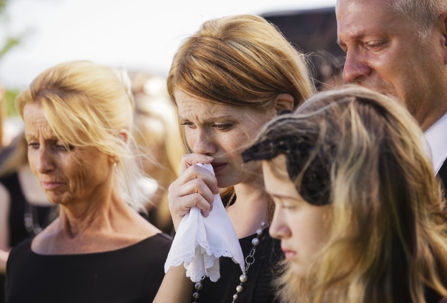
Losing a loved one due to negligence in a care facility is devastating and preventable. Understanding your legal rights and options is crucial when elder abuse leads to wrongful death. Our San Diego elder abuse attorney is here to help families seek justice and accountability.
Understanding Wrongful Death in Care Facilities
Defining Wrongful Death in the Context of Care Facilities
Wrongful death in nursing homes occurs when a resident dies due to negligence, abuse, or intentional misconduct by facility staff. Unlike natural deaths, these tragic outcomes result from preventable lapses in care that violate the duty of care owed to residents. Understanding the difference between acceptable care standards and negligent conduct is essential for families seeking justice.
Common Causes and Indicators of Wrongful Death
Warning Signs of Elder Abuse Leading to Wrongful Death:
- Unexplained injuries, bruises, or bedsores
- Sudden weight loss or malnutrition
- Medication errors or missed treatments
- Inadequate medical supervision
- Physical, emotional, or sexual abuse
- Facility staff providing inconsistent accounts of incidents
Neglect, abuse, and medical malpractice are the primary causes of wrongful death in care facilities. Early recognition of these warning signs can protect other residents and help families build a strong legal case. Families should remain vigilant and document any suspicious circumstances surrounding their loved one's care.
Legal Foundations and Key Statutes Involving Wrongful Death
Overview of Pertinent Laws and Regulations
Federal regulations like the Nursing Home Reform Act and state-specific legislation create a comprehensive legal framework protecting care facility residents. These laws establish care standards, residents' rights, and enforcement mechanisms for accountability. Understanding these regulations helps families and legal professionals navigate wrongful death cases effectively in San Diego, CA.
Legal Proceedings After a Wrongful Death
Initiating a Wrongful Death Claim: What You Need to Know
Filing a wrongful death lawsuit begins with consulting an experienced elder abuse attorney who can assess your case's viability. The process involves gathering critical documentation, including death certificates, medical records, and evidence of negligence or misconduct. Thorough documentation and evidence collection are essential for building a compelling case against the responsible care facility.
Roles of Legal Professionals in Wrongful Death Cases
Attorneys specializing in elder abuse and wrongful death provide expert legal guidance, conduct comprehensive investigations, and develop winning strategies. Expert witnesses, including medical professionals and investigators, offer objective testimony and evidence analysis. This professional support ensures families have the strongest possible representation throughout the legal process.
The Emotional and Financial Toll on Families
Coping with Emotional Distress and Bereavement
Losing a loved one to elder abuse creates profound emotional trauma that affects the entire family. Seeking support through grief counseling, support groups, and mental health professionals is crucial for healing. Connecting with others who have experienced similar losses can provide comfort and understanding during this difficult time.
Assessing Financial Implications
Wrongful death settlements can cover medical bills, funeral expenses, lost income, and punitive damages for gross negligence. Understanding your compensation rights is essential for long-term financial stability after such a devastating loss. Proper financial planning with settlement funds helps secure your family's future while honoring your loved one's memory.
Protecting Loved Ones in Care Facilities
Choosing a Safe and Reputable Care Facility
Selecting a care facility requires careful evaluation of safety records, accreditation, and staff qualifications. Personal visits and asking detailed questions about staff-to-resident ratios and emergency protocols are essential steps. Identifying red flags like frequent staff turnover or reluctance to answer questions can help families make informed decisions.
Monitoring and Reporting Abuse and Neglect
Regular visits, open communication with staff, and active involvement in care plans help ensure your loved one's safety. If you suspect abuse or neglect, document everything and report concerns immediately to facility management and authorities. Quick action can protect your loved one and other residents while preserving evidence for potential legal proceedings.
Preparing for Future Legal Challenges
Preemptive Legal Planning for Family Safety
Having advanced directives and durable power of attorney documents prepared protects your loved one's rights and preferences. As a preventive measure, consulting with elder law attorneys helps families review care contracts and identify potential issues. This proactive approach reduces stress during emergencies and strengthens legal protections for vulnerable family members.
Utilizing Advocacy Groups and Resources
Advocacy groups provide valuable resources, education, and support for families dealing with elder abuse cases. These organizations can connect you with legal experts, facilitate communication with regulators, and offer emotional support services. Engaging with advocacy groups strengthens your case while contributing to systemic improvements in care facility standards.
San Diego Wrongful Death Attorney for Elder Abuse Cases
If your loved one died due to elder abuse or neglect in a care facility, Bryant Dieringer Wilson, LLP is here to help you seek justice. Our experienced San Diego elder abuse attorney provides compassionate, professional representation to hold negligent facilities accountable. Contact us today at (619) 693-4900 or through our online contact form for a free consultation.