

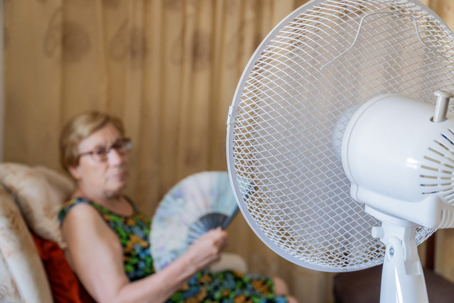
Summer in San Diego is beautiful — but for elderly residents living in nursing homes and care facilities, the season brings serious risks that too often go unaddressed. When temperatures rise, older adults become especially vulnerable to heat-related illness, dehydration, and other preventable conditions. If a care facility fails to take proper precautions, the consequences can be life-threatening. Understanding what nursing home neglect looks like during the summer months can help you protect your loved one — and know when it may be time to take action.
If you believe your loved one has been harmed due to nursing home neglect this summer, do not wait — contact us today through our online contact form or call us at (619) 597-2577 for a free consultation.
Why Summer Heat Is Especially Dangerous for Nursing Home Residents
The human body's ability to regulate temperature weakens with age. Seniors over 65 are far less efficient at sweating and cooling down, meaning their core body temperature can rise to dangerous levels far faster than a younger person's would. Many also take prescription medications — such as diuretics, blood pressure drugs, and antihistamines — that can interfere with the body's ability to stay cool or maintain adequate fluid levels.
In a well-run nursing home, staff should be monitoring residents closely during summer heat, ensuring rooms are adequately cooled, and proactively offering water and hydration throughout the day. When facilities cut corners — whether due to understaffing, negligence, or cost-cutting — residents pay the price.
Common Forms of Nursing Home Neglect During Hot Weather
Neglect does not always look like an obvious act of harm. In many cases, it is a pattern of inaction — things that staff failed to do, check, or notice. During summer months, neglect often takes specific forms closely tied to heat and hydration.
Dehydration and Malnutrition
Dehydration — the state of not having enough fluids in the body — is one of the most common and preventable harms that occurs in nursing homes during summer. Older adults often have a diminished sense of thirst, which means they may not ask for water even when their bodies desperately need it. It is the staff's responsibility to offer fluids regularly and monitor residents' intake. When they fail to do so, dehydration can progress quickly to serious medical complications, including kidney failure, confusion, and even death.
Malnutrition — a lack of adequate nutrition — can worsen during hot months as well. Heat can suppress appetite, and residents who are already struggling may eat even less if staff are not attentive. A nursing home has a duty to ensure residents maintain adequate nutrition and hydration at all times.
Inadequate Cooling and Ventilation
California nursing homes are required to maintain safe environmental conditions for residents. When air conditioning systems are broken, rooms are poorly ventilated, or management delays repairs due to cost, residents are left in dangerously hot conditions. Heatstroke — a medical emergency in which the body temperature rises to 104°F or higher — can develop rapidly in elderly individuals and can be fatal without prompt treatment.
Signs that a facility may have inadequate cooling include residents who appear excessively sweaty or flushed, rooms that feel uncomfortably warm during visits, or staff who acknowledge that the air conditioning "has been having problems." These are not minor inconveniences — they are warning signs.
Failure to Monitor High-Risk Residents
Not all nursing home residents carry the same level of risk. Some individuals — particularly those with dementia, heart conditions, diabetes, or kidney disease — are far more vulnerable to heat-related illness. Properly trained staff should be aware of which residents are at the highest risk and check on them more frequently during hot weather. Failing to do so can constitute neglect, even if no single obvious act of harm occurred.
Warning Signs of Heat-Related Neglect to Watch For
When you visit your loved one at a nursing home or care facility, pay close attention to how they look and feel, especially during the summer months. Many families notice something is wrong before any formal diagnosis is made. The following are signs that your loved one may be experiencing heat-related neglect:
- Dry mouth, cracked lips, or sunken eyes — classic signs of dehydration
- Dark-colored urine or complaints about not needing to use the bathroom frequently
- Unusual confusion, dizziness, or disorientation — which can be signs of heatstroke or severe dehydration
- Skin that is hot and dry rather than sweaty during warm conditions — a possible sign of heatstroke
- Unexplained weight loss, which can signal both malnutrition and dehydration
- Complaints of being too hot, thirsty, or not receiving enough water
- A facility that feels excessively warm or where staff seem unaware of the temperature
Trust your instincts. If something seems wrong when you visit, it very well may be. Families are often the first line of defense when it comes to identifying neglect in nursing homes.
What California Law Says About Nursing Home Standards
California has some of the strongest elder protection laws in the country. The Elder Abuse and Dependent Adult Civil Protection Act (EADACPA) — California's primary elder abuse law — protects residents of nursing homes and care facilities from neglect, physical abuse, financial abuse, and other forms of mistreatment. Under this law, neglect is defined to include the failure to provide adequate food, water, clothing, shelter, personal hygiene, and medical care.
This means that a nursing home that fails to keep residents properly hydrated, cool, and safe during a San Diego summer may be in direct violation of California's elder abuse statutes. Victims and their families may be entitled to pursue legal action, which can result in financial compensation for medical costs, pain and suffering, and other harms — and can also help hold negligent facilities accountable to prevent future harm to other residents.
Steps to Take If You Suspect Nursing Home Neglect
If you believe your loved one is being neglected at a nursing home or care facility, there are important steps you should take as quickly as possible. Acting promptly can help protect your loved one's health and preserve critical evidence for any future legal claim.
- Document everything: Take photos or videos of your loved one's condition during visits, including any visible signs of dehydration, skin breakdown, or heat-related symptoms. Note the date, time, and what you observed.
- Speak with facility management: Report your concerns in writing to the director of nursing or facility administrator, and keep a copy of your communication.
- Request medical records: You have the right to access your loved one's medical records. These can contain vital information about hydration monitoring, temperature checks, and nursing assessments.
- File a complaint with the California Department of Public Health (CDPH): The CDPH oversees and inspects licensed skilled nursing facilities in California. A formal complaint triggers an investigation.
- Consult a San Diego elder abuse attorney: An attorney who handles nursing home neglect cases can evaluate your situation, advise you on your legal rights, and help determine whether a formal legal claim is appropriate.
Taking these steps does not commit you to any particular course of action — but they can make a significant difference if your concerns turn out to be well-founded and legal action becomes necessary.
Contact a San Diego Elder Abuse Attorney About Nursing Home Neglect
No one should have to worry whether their loved one is safe in a place specifically designed to care for them. If you have concerns about nursing home neglect at a San Diego care facility, Bryant Dieringer Wilson, LLP is here to help. Our team is available for evening and weekend appointments and offers a free initial consultation so you can understand your options without any pressure or obligation.
Reach out today by filling out our online contact form or by calling us at (619) 597-2577. Your loved one deserves safe, attentive care — and we are ready to fight for that on their behalf.